When buying a used Japanese bus for export, every detail counts. Tires and suspension systems, in particular, determine how safely and smoothly your bus will perform on the road. Moreover, buyers who understand these components often avoid costly surprises later. In this article, we guide you through practical, easy-to-follow steps…
How Bus Maintenance Records Increase Export Value Globally
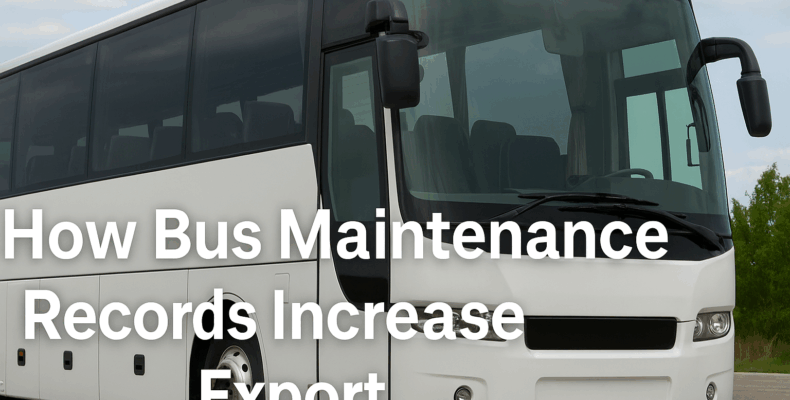
In the competitive world of used Japanese bus exports, one overlooked yet powerful asset is the maintenance record. While many buyers focus on mileage, model year, and appearance, the true value often lies in the service history. Maintenance records not only reflect how well a bus has been cared for,…
RORO vs Container Shipping: Best Option for Used Bus Export

When it comes to exporting used Japanese buses, global buyers and importers face a key question: Should you choose RORO (Roll-On/Roll-Off) or container shipping? Each method offers unique advantages depending on the size of the bus, shipping destination, and budget. In this article, we break down the core differences between…
Why Barrier-Free Buses with Auto Doors Are Gaining Global Attention

Across the world, public transport is evolving. Accessibility is no longer optional—it’s expected. As a result, Japanese used buses equipped with automatic doors and barrier-free designs are in high demand among global buyers.
Transforming Value: Real Repainting and Renovation Cases of Used Japanese Buses

Used Japanese buses are known for their reliability, durability, and high resale value. However, what truly sets them apart in the global market is how well they respond to repainting and renovation. With strategic upgrades, even buses with years of service can look — and function — like new. Whether…
Value and Lifespan of Buses with Over 200,000 km Mileage

Why High-Mileage Japanese Buses Remain a Smart Investment for Global Buyers When it comes to purchasing used buses for commercial transport, many international buyers look for reliability, cost-efficiency, and proven performance. One of the most common questions they ask is: Are buses with over 200,000 km of mileage still worth…
Japan’s Emission Standards and Global Compliance: What Export Buyers Need to Know

For global businesses seeking reliable, eco-conscious vehicles, Japanese used trucks and buses are top-tier choices. One key reason? Japan’s strict emission standards—designed to ensure high fuel efficiency and low environmental impact. Understanding how these standards align with international regulations helps buyers make informed decisions.
Top Japanese Bus Brands Dominating Global Export Markets

Japanese buses are known around the world for their superior build quality, long-term reliability, and exceptional passenger comfort. These vehicles are not just popular in Japan—they’re in high demand in Africa, Southeast Asia, the Caribbean, and many other regions.
Top Countries with Strong Demand for Right-Hand Drive Buses in 2025

Right-hand drive (RHD) buses are essential in many regions of the world. In 2025, global demand for Japanese RHD buses continues to rise, especially in countries where traffic moves on the left side of the road. Due to their durability, efficiency, and safety features, Japanese used buses are the top…
Essential Checklist for Buying a Japanese Used Bus Overseas
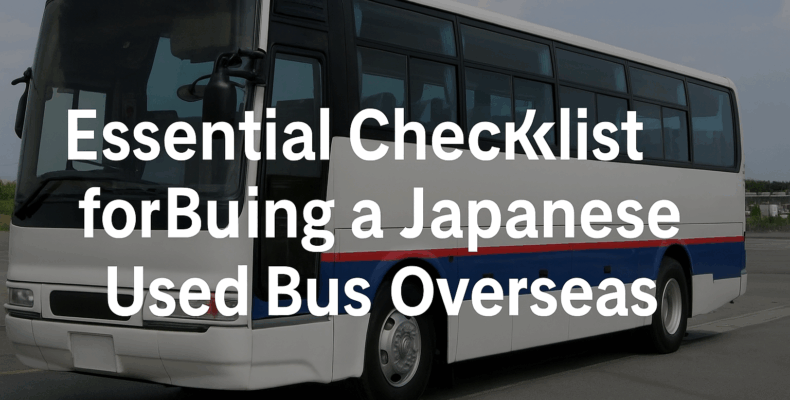
Buying a used bus is a smart investment for many transport businesses. However, without careful inspection, you might face costly repairs later. Whether you’re running shuttle services, school transport, or tour operations, checking the right details upfront can save time and money. Japanese used buses are popular worldwide for their…