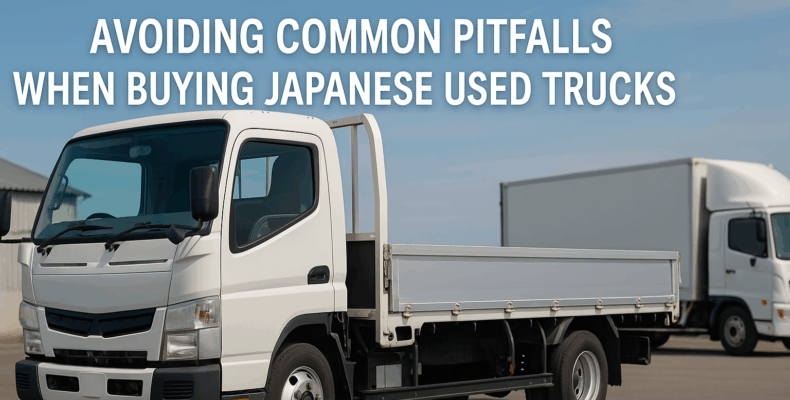
Many purchasing problems start with a mismatch between the truck specification and the work it must perform. Use this checklist before requesting a pro forma invoice or approving a specific vehicle. For general purchase and payment mistakes, see our used truck buying mistakes guide.
Define the job first
- Cargo type, normal and maximum legal payload, loading method and body requirements.
- Expected route, road surface, gradients and daily distance.
- Local road-width, axle-load and registration limits.
- Driver requirements, steering position and transmission preference.
Match the individual vehicle to the specification
| Check | Evidence |
|---|---|
| Payload and gross vehicle weight | Vehicle records and body configuration |
| Chassis and engine codes | Identification plates and documents |
| Body size and wheelbase | Measurements and photographs |
| Transmission and drive system | Model details and operating check |
| Special equipment | Equipment plate and safe functional demonstration |
Confirm parts and operating costs
Ask local workshops whether they can maintain the specific engine, transmission and body equipment. Check routine parts availability and obtain a maintenance estimate. A low purchase price may not be the lowest operating cost if repairs cause lengthy downtime.
Check destination eligibility
Verify applicable age, emissions, inspection and registration rules with the destination authorities or a licensed clearing agent before paying. Requirements differ by country and vehicle type.
Prepare a clear vehicle request
Send the supplier your required payload, body type, budget, destination port and non-negotiable specifications. Ask for written confirmation of the actual vehicle’s configuration and known condition before approving the purchase.
Read our 2-ton vs 3-ton truck guide and explore Japanese used vehicle stock at EVERYCAR.jp. EVERYCAR REVIEW is associated with EVERY TRADING.